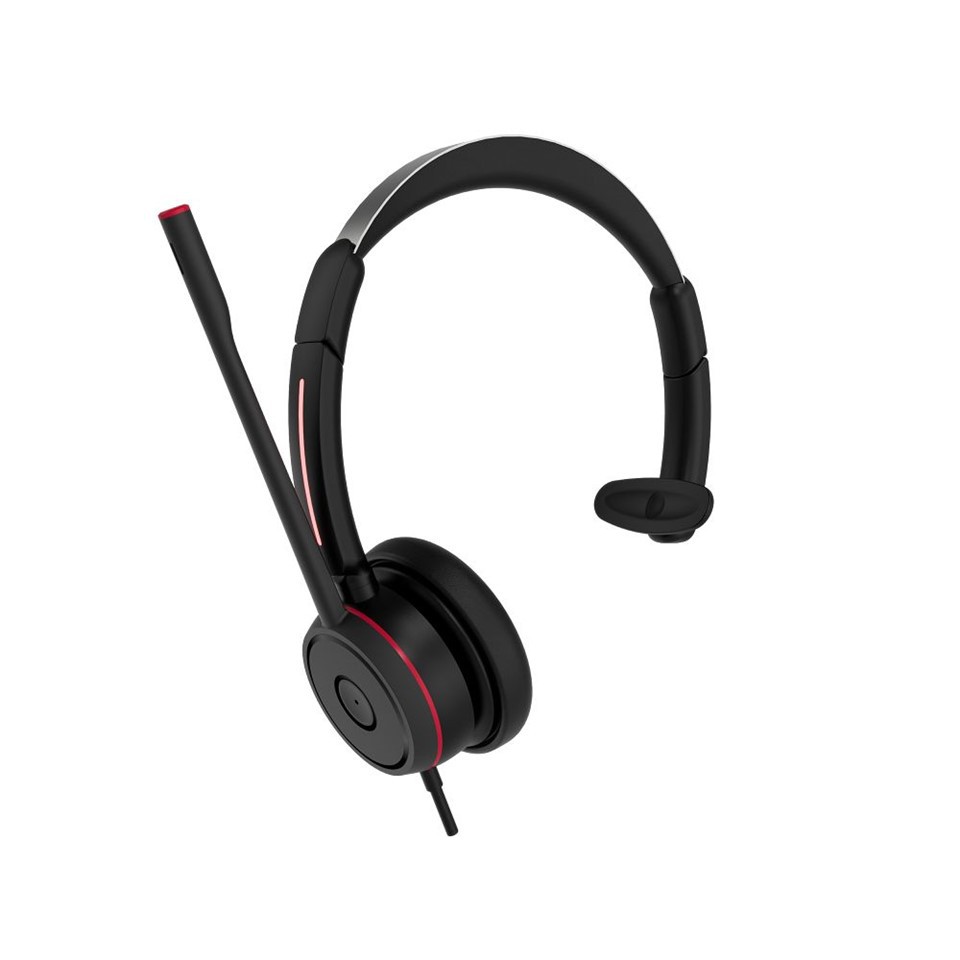
Hey there! As a supplier of the best noise suppression headphones, I'm super stoked to chat with you about audio codec support. It's a topic that often flies under the radar but can make a world of difference in your listening experience.
First off, let's break down what audio codecs are. Think of them as the secret sauce that compresses and decompresses audio files. They determine how well your headphones can reproduce sound, and different codecs have their own strengths and weaknesses.


One of the most common codecs out there is AAC (Advanced Audio Coding). It's widely supported by a ton of devices, from iPhones to Android phones. AAC offers great sound quality and is known for its efficiency, which means it can deliver high - quality audio without taking up too much bandwidth. If you're using your noise suppression headphones with your smartphone for streaming music or making calls, AAC is likely to be a solid choice. You can check out our Noise Cancelling Headset For Office which supports AAC and provides a top - notch audio experience even in a bustling office environment.
Then there's SBC (Sub - Band Coding). It's the default codec for most Bluetooth devices. SBC is pretty basic but gets the job done. It's been around for a while, and while it may not offer the same level of audio fidelity as some of the newer codecs, it's still reliable. It's a good option if you're on a budget or if you're using older devices that don't support more advanced codecs. Our Headphones With Noise Suppression support SBC, ensuring compatibility with a wide range of devices.
Now, let's talk about some of the more high - end codecs. AptX is a popular one. Developed by Qualcomm, AptX offers better sound quality than SBC. It uses a more advanced compression algorithm that can deliver near - CD quality audio over Bluetooth. If you're an audiophile who wants the best possible sound from your noise suppression headphones, AptX is definitely worth considering. And our Headset for Noisy Office comes with AptX support, so you can enjoy crystal - clear audio even in a noisy workspace.
AptX HD takes it a step further. As the name suggests, it offers high - definition audio. It can transmit audio at a higher bitrate than regular AptX, resulting in even better sound quality. However, it requires both the source device and the headphones to support it. If you have a high - end smartphone or a dedicated audio player that supports AptX HD, our headphones can really shine with this codec.
LDAC is another great option, especially if you're an Android user. Developed by Sony, LDAC can transmit audio at a much higher bitrate than most other codecs. It can deliver up to three times the amount of data compared to SBC, which means you get a more detailed and immersive audio experience. Our headphones are also LDAC - compatible, so Android users can take full advantage of this high - quality codec.
When it comes to choosing the right audio codec for your noise suppression headphones, it really depends on your needs and the devices you're using. If you're mainly using your headphones with your smartphone for casual listening, AAC or SBC might be sufficient. But if you're a serious music lover or need high - quality audio for work, like taking important calls in a noisy office, then codecs like AptX, AptX HD, or LDAC are the way to go.
We understand that different customers have different requirements, and that's why our best noise suppression headphones support a wide range of audio codecs. Whether you're looking for basic functionality or top - of - the - line audio quality, we've got you covered.
If you're interested in learning more about our products or want to discuss your specific needs, we'd love to have a chat with you. Our team of experts is always on hand to answer your questions and help you find the perfect pair of noise suppression headphones for your situation. So, don't hesitate to reach out and start a conversation about your potential purchase.
References:
- General knowledge about audio codecs from industry research and product development experience.