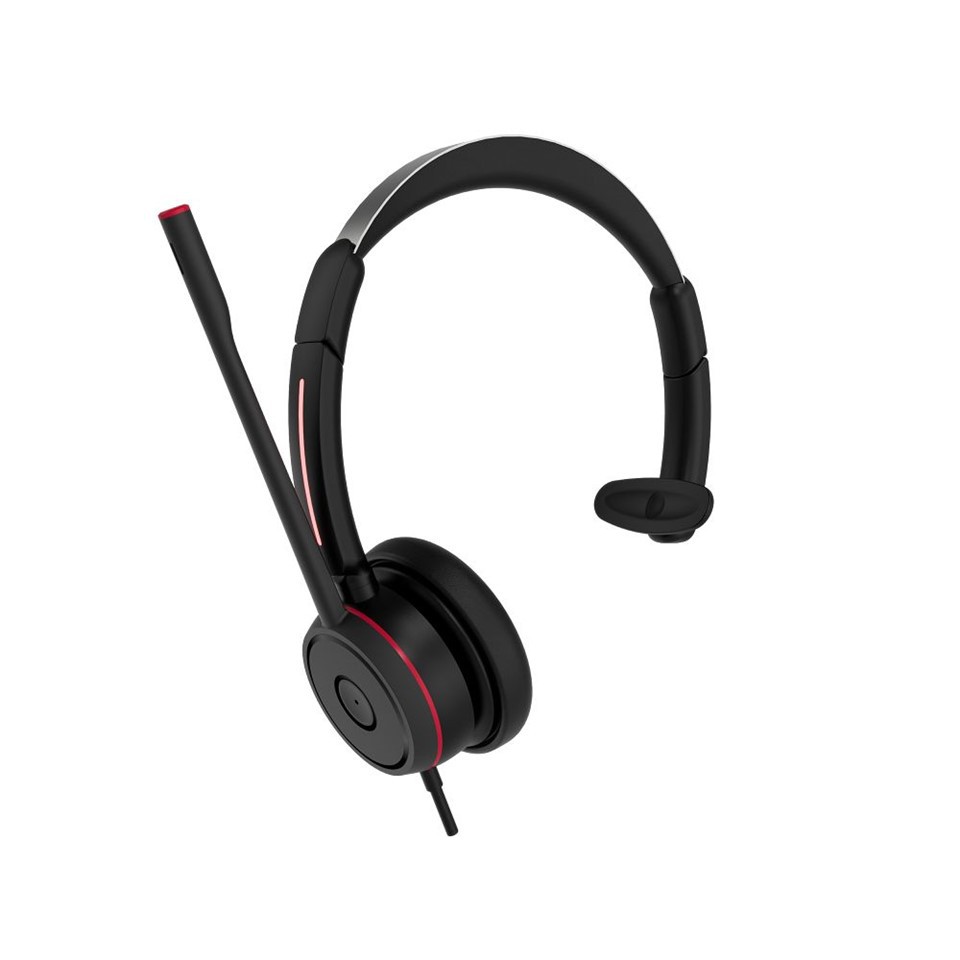
Yo, what's up everyone! I'm a supplier of Bluetooth headsets with dongles, and today I wanna chat about a pretty important topic: What is the impedance of a Bluetooth headset with dongle?
First off, let's break down what impedance is. In simple terms, impedance is like the electrical resistance that a device offers to the flow of an alternating current (AC). It's measured in ohms (Ω). For a Bluetooth headset with a dongle, impedance plays a crucial role in how the headset performs.
You see, the impedance of a headset affects how it interacts with the audio source. When it comes to Bluetooth headsets with dongles, the impedance can influence the sound quality, power consumption, and even the compatibility with different devices.
Let's start with sound quality. A lower impedance headset generally has a higher sensitivity, which means it can produce louder sounds with less power. This is great if you're using your headset with a device that has a low output power, like a smartphone or a laptop. On the other hand, a higher impedance headset can offer better sound clarity and detail, especially when paired with a high - end audio amplifier.
Now, power consumption is another key factor. A lower impedance headset draws more current from the audio source. So, if you're using a Bluetooth dongle to connect your headset, a lower impedance headset might drain the dongle's battery faster. In contrast, a higher impedance headset consumes less power, which can be a plus if you're looking for longer battery life.
Compatibility is also something to consider. Some audio sources are designed to work best with headsets of a certain impedance range. For example, most consumer - grade devices like smartphones and tablets are optimized for headsets with an impedance between 16Ω and 32Ω. If you try to use a headset with a much higher or lower impedance, you might experience issues like low volume, distortion, or even damage to the audio source.
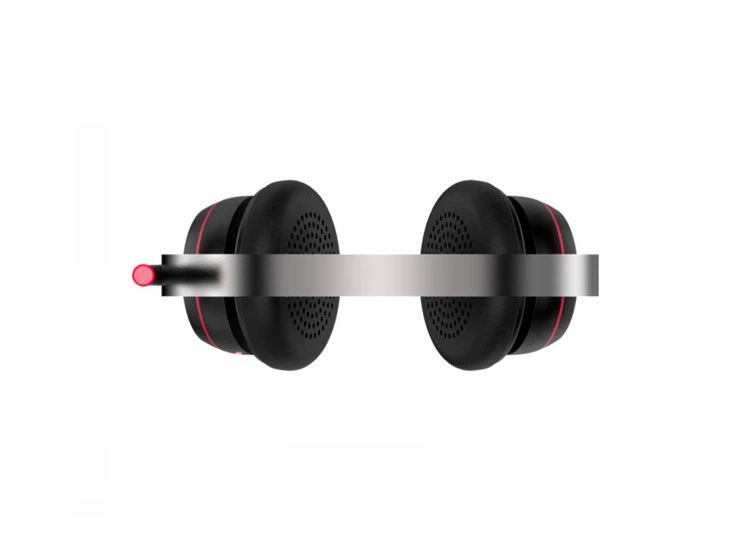
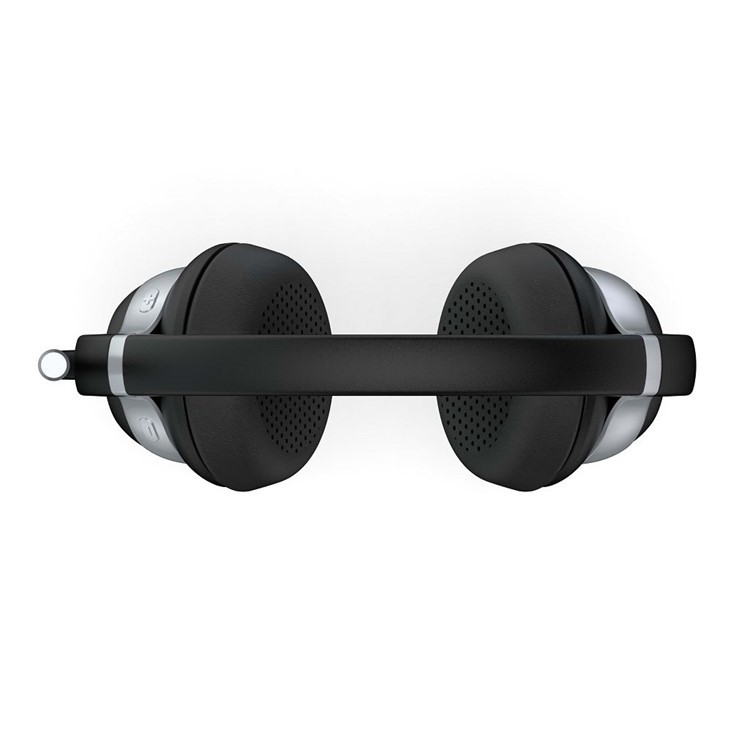
As a supplier of Bluetooth Headset with Dongle, we offer a wide range of products with different impedance levels to meet various customer needs. Our Dual Ear Wireless Headset with USB is a popular choice for those who need a reliable and high - quality headset for everyday use. It has an impedance of around 32Ω, which makes it compatible with most common devices and provides a good balance between sound quality and power consumption.
For those who are into unified communications (UC), our Wireless Headset for UC with Dongle is a top - notch option. It's designed to work seamlessly with UC systems and has an impedance that is carefully tuned to ensure clear and crisp communication.
When choosing a Bluetooth headset with a dongle, it's important to think about your specific requirements. If you're mainly using your headset for casual listening on your smartphone or laptop, a lower impedance headset might be the way to go. But if you're a professional audio enthusiast or need a headset for high - end audio applications, a higher impedance headset could be a better choice.
We understand that every customer has different needs, and that's why we're committed to providing the best products and services. Whether you're a gamer, a business professional, or just someone who loves good music, we have a Bluetooth headset with a dongle that's right for you.
If you're interested in our products or have any questions about impedance or other technical aspects of our headsets, don't hesitate to reach out. We're here to help you find the perfect headset for your needs. Whether you're looking to place a small order for personal use or a large order for your business, we're ready to assist you with the purchasing process.
So, if you're in the market for a great Bluetooth headset with a dongle, give us a shout. We'll be happy to discuss your requirements and help you make an informed decision. Let's work together to find the ideal headset that suits your lifestyle and budget.
References
- Audio Engineering Society. "Principles of Audio System Design."
- IEEE Transactions on Audio, Speech, and Language Processing. "Impedance Matching in Audio Devices."