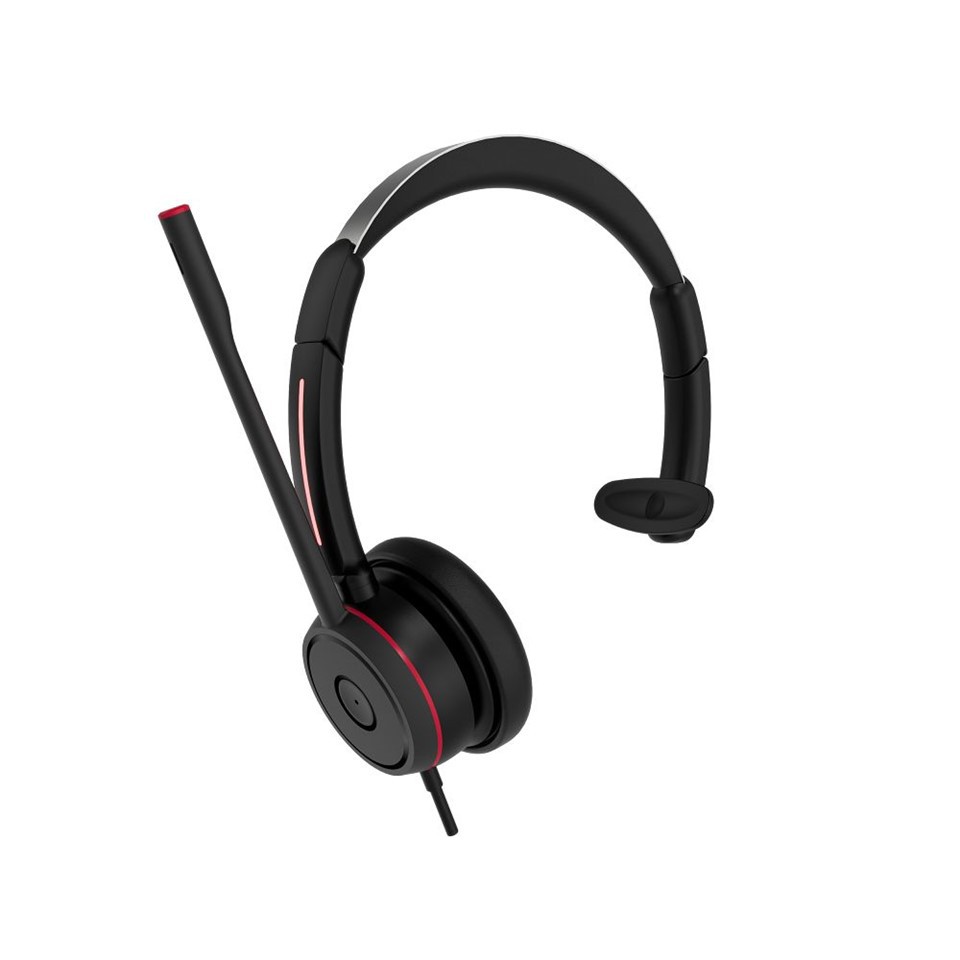
Hey there, audio enthusiasts and those seeking some peace and quiet in a noisy world! As a supplier of the best noise suppression headphones, I'm stoked to dive into the topic of frequency response and how it plays a crucial role in the performance of these amazing devices.
First off, let's talk about what frequency response actually means. In simple terms, it's a measure of how well a headphone can reproduce different frequencies of sound. The human ear can typically hear frequencies ranging from about 20 Hz to 20,000 Hz. A headphone's frequency response curve shows how it performs across this range.
For noise suppression headphones, a good frequency response is essential. Why? Well, different types of noise have different frequency characteristics. For example, the low - frequency rumble of traffic or the hum of an air conditioner falls in the lower end of the frequency spectrum, usually around 20 - 200 Hz. On the other hand, high - pitched noises like the screeching of a chair or the beeping of an alarm clock are in the higher frequencies, say 5000 - 20,000 Hz.
The best noise suppression headphones need to be able to handle both ends of the spectrum effectively. At the low frequencies, they should be able to block out that constant, annoying background noise. This is where active noise cancellation (ANC) technology really shines. ANC works by generating an anti - noise signal that is the exact opposite of the incoming noise. When these two signals meet, they cancel each other out, reducing the overall noise level.
For our Usb Noise Cancelling Headset, we've engineered it to have an excellent low - frequency response. The ANC system in these headphones is tuned to target those deep, bassy noises that can be so distracting. Whether you're on a plane, train, or just sitting in a busy coffee shop, these headphones will do a great job of blocking out that low - end rumble.
In the high - frequency range, the headphones need to be able to isolate and reduce those sharp, piercing noises. This is important not only for noise suppression but also for audio quality. If the headphones can't handle high frequencies well, the sound will seem dull and lacking in detail. Our Best Sound Suppression Headphones are designed with high - quality drivers that can reproduce high frequencies accurately. They also have a special acoustic design that helps to isolate the ear from high - pitched external noises.
Now, let's take a look at how frequency response affects the overall listening experience. When you're listening to music, a flat frequency response is often considered ideal. A flat response means that the headphones reproduce all frequencies equally, without boosting or cutting any particular range. This gives you a true representation of the original recording.
However, for noise suppression headphones, a slightly tuned frequency response can be beneficial. For example, boosting the low frequencies a bit can enhance the bass in music while also improving the noise - cancelling effect for low - frequency background noise. Similarly, a slight boost in the high frequencies can make vocals and instruments sound more crisp and clear.
But it's a delicate balance. Too much of a boost in any frequency range can lead to a distorted or unnatural sound. That's why we spend a lot of time fine - tuning the frequency response of our headphones to ensure that they offer both great noise suppression and excellent audio quality.
If you work in a noisy office environment, the frequency response of your headphones can make a huge difference. The constant chatter, the hum of computers, and the clattering of keyboards all create a complex mix of noises. Our Headset for Noisy Office is specifically designed to handle this type of environment. It has a frequency response that is optimized to block out the mid - range and high - frequency noises that are common in an office setting.
The mid - range frequencies, which are typically between 200 Hz and 5000 Hz, are where most of the human voice lies. So, if you want to focus on your work and not be distracted by conversations around you, a headphone that can effectively suppress these frequencies is essential. Our office headsets use a combination of passive and active noise suppression techniques to achieve this.
Passive noise suppression is achieved through the physical design of the headphones. The ear cups are made of materials that can absorb and block sound. They fit snugly around the ears, creating a seal that helps to keep external noise out. Active noise cancellation, on the other hand, uses electronic circuits to generate the anti - noise signal.
When it comes to choosing the best noise suppression headphones, frequency response is just one factor to consider. You also need to think about comfort, battery life, and connectivity. But a good frequency response is the foundation of a great noise - cancelling headphone.
If you're in the market for high - quality noise suppression headphones, we've got you covered. Our range of headphones is designed to meet the needs of different users, whether you're a frequent traveler, a music lover, or someone who works in a noisy environment.
We're always happy to chat with potential customers about our products. If you're interested in learning more about our headphones or have any questions about frequency response, noise suppression, or anything else related to audio, don't hesitate to reach out. We can have a detailed discussion about your specific requirements and help you find the perfect pair of headphones for you. Whether you're looking to place a small order for personal use or a large order for your business, we're here to assist you every step of the way. So, let's start a conversation and see how we can make your audio experience better!
References


- "Audio Engineering Handbook"
- "The Science of Sound"